Homeward Bound
The Navy’s Blue Angels swooped down and saluted us as we entered the Pensacola Channel Tuesday morning, on the final legs of our GC3 Panhandle Cruise. We were truly in the premier seats, center of the Bay with a 360-degree view of their 45-minute practice session as we proceeded to our slip at NAS Bayou Grande. Arkeoo, several miles ahead of us, hopefully got part of the show, too, as they headed to Orange Beach Alabama.
We spent a few extra days in Panama City, awaiting a good weather window to go back out into the Gulf for the 90 NM trip. All was not wasted as we had access to excellent restaurants in the historic St. Andrews neighborhood. Ate oysters for lunch and then oyster for dinner and then again more oysters, yes at all four eateries. The lovely Oaks Park is on the land that archeologists have determined was a seasonal early Indian encampment with its access to the bay and its bounty. Our entertainment varied from watching the commercial fishing boats come and go and off load their catch, shrimp, grouper, vermillion snapper, scamp and tuna. On Saturday’s there is a farmer’s market at the marina parking lot. The St. Andrews marina served both the recreational tenant boats, transient boats (along a floating lay along dock) and the commercial boats. The facilities, including laundry, were appreciated.
Camaraderie is one of the benefits of the GC3 cruising concept and we certainly enjoyed sharing meals (Fresh Bay Shrimp & Grits, Mississippi style, farmer’s market offerings in basil, garlic, zucchini, tomato, eggplant, hot sausage casserole, and goat cheese sundried tomato fettuccini). Maybe we need to have a subtitle to our GC3 cruise, the gourmet’s delight!
Thursday, May 17, 2012

Thursday, May 10, 2012
A Month without an “R”
It took a series of rain squalls – we’ve had such perfect weather, interesting towns to explore, beaches to walk and winds for sailing, that we’ve haven’t sat down, until now - to write a new post. We have lots to share.
As northerners, we always heard that raw oysters shouldn’t be consumed in a month without an “R”. Floridians seem to have no such limit. To most of us who enjoy raw oysters on the half shell, Apalachicola oysters are the “gold standard”. Nearby St. George Sound has the largest beds in Florida; they have a sweet mild flavor that can be slightly enhanced by a little cocktail sauce laced with horseradish sauce. They were as perfect on May 2nd, 6th, 7th and 9th as in any month with an “R”. The industry is larger than we imagined. Oysters processing houses line a quarter mile of Scipio Creek; tons (10% of the US market) are shipped whole and live in bags as well as shucked and shipped in various size fresh cold containers. We discovered the enormity of the volume on our biking excursion around Apalachicola. We saw 30-foot mountains of shells being fronted loaded aboard 100 foot a flat deck barge. The shells are taken out to help form new oyster beds by giving the spawn a place to attach and grow.
Apalachicola is usually a one-night stop on our way to the southwest Florida Peninsula of Florida (Clearwater). This trip we toured the community on our “boat bikes” visiting museums, old homes, seafood shops and an ice cream soda fountain.
Did you know that the first patent in 1851 for inventing an air conditioning machine was granted to Dr. John Gorrie? His discovery occurred when he wanted to cool the air in the of the Apalachicola Yellow Fever patients’ sick rooms. Apalachicola and Port St. Joe both experience epidemics in the 1840’s. In Port St. Joe 80% of the population was wiped out. The State Park Service has an exhibit in his former home featuring the operational machine invented, along with an excellent historical panorama.
The Orman House located on as high a hill as exists along the Apalachicola River is now operated as a State Park/Museum. Our Ranger guide gave us one of the best historical overviews of the evolution of the area. “When Cotton was King” the river provided the transportation for the Georgia grown cotton to the harbor and Orman’s many cotton warehouses. From there they were loaded on to ships in St. George’s Sound for transshipment to Savannah. The prosperity connected with the cotton trade ended after the Civil War as railroads were built and provided quicker more efficient transport to southern textile mills and Atlantic Sea ports. Logs from the impenetrable forest were sent down the river for milling and shipment. That industry and the canning and freezing of Seafood packaging allowing distribution eventually sustained the area, which is often called the “Forgotten Coast”.
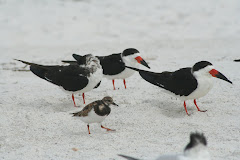
Our three-boat flotilla enjoyed spotting the oystermen as we headed east through St. George’s Sound/Bay to the eastern end of the Gulf Coast barrier islands-Dog Island. Rafting up in a well protected bay surrounded by grass beds make it possible for only one anchor down and thus only one anchor, when weighted, was muddy and mucky. Clean up was a two-stage chore, 1st aboard with the wash down pump and 2nd when we hauled 160 feet of chain out of the anchor locker later and rewashed at the marina. The Rustic homes along the beach are built on high stilts and sit tucked behind the sand dunes. Clusters of shorebirds included Sanderlings, Willets, Ruddy Turnstones and 3 kinds of terns, Royal, Sandwich and Least occupied the beach. The surrounding shallow depth, grass beds were the perfect spots for John to take the dingy and fish. The fishing turned into catching – two nice spotted trout- making a terrific dinner for the Zephyrina crew.
From Dog Island we began our return journey. A night in Apalachicola gave us the opportunity to enjoy an oyster and shrimp dinner at “Up the Creek”.
Though we are retracing our coastal route we have deviated to check out Crooked Island, an excellent anchorage via a narrow channel on property near the Tyndall Air Force Range. Sailing close to the wind we raced west to the Panama City’s Harbor Channel. After bucking the out going current we ducked behind the barrier island, Shell Island, to anchor/raft up. An early morning beach walk on crystal white sands was another reminder of why we love sailing – the lovely natural places we can enjoy. Sea Shell and its crew, John & Kay Sheehan had left after morning coffee, to take the ICW route back home. Sea Shell’s shorter mast allows passage under the less than 50’ bridges.
Given a forecast of afternoon thunderstorms the St. Andrews Municipal Marina was our next stop. After tie up on the lay along dock, we found Ernie’s Oyster Bar and Brew House for sustenance and libation.
The rain has washed off the salt from Zephyrina’s hull. Now Arkeoo’s crew, Connie & Wally, will join us analysis the wind forecast and plan our over night sail to Pensacola.
It took a series of rain squalls – we’ve had such perfect weather, interesting towns to explore, beaches to walk and winds for sailing, that we’ve haven’t sat down, until now - to write a new post. We have lots to share.
As northerners, we always heard that raw oysters shouldn’t be consumed in a month without an “R”. Floridians seem to have no such limit. To most of us who enjoy raw oysters on the half shell, Apalachicola oysters are the “gold standard”. Nearby St. George Sound has the largest beds in Florida; they have a sweet mild flavor that can be slightly enhanced by a little cocktail sauce laced with horseradish sauce. They were as perfect on May 2nd, 6th, 7th and 9th as in any month with an “R”. The industry is larger than we imagined. Oysters processing houses line a quarter mile of Scipio Creek; tons (10% of the US market) are shipped whole and live in bags as well as shucked and shipped in various size fresh cold containers. We discovered the enormity of the volume on our biking excursion around Apalachicola. We saw 30-foot mountains of shells being fronted loaded aboard 100 foot a flat deck barge. The shells are taken out to help form new oyster beds by giving the spawn a place to attach and grow.
Apalachicola is usually a one-night stop on our way to the southwest Florida Peninsula of Florida (Clearwater). This trip we toured the community on our “boat bikes” visiting museums, old homes, seafood shops and an ice cream soda fountain.
Did you know that the first patent in 1851 for inventing an air conditioning machine was granted to Dr. John Gorrie? His discovery occurred when he wanted to cool the air in the of the Apalachicola Yellow Fever patients’ sick rooms. Apalachicola and Port St. Joe both experience epidemics in the 1840’s. In Port St. Joe 80% of the population was wiped out. The State Park Service has an exhibit in his former home featuring the operational machine invented, along with an excellent historical panorama.
The Orman House located on as high a hill as exists along the Apalachicola River is now operated as a State Park/Museum. Our Ranger guide gave us one of the best historical overviews of the evolution of the area. “When Cotton was King” the river provided the transportation for the Georgia grown cotton to the harbor and Orman’s many cotton warehouses. From there they were loaded on to ships in St. George’s Sound for transshipment to Savannah. The prosperity connected with the cotton trade ended after the Civil War as railroads were built and provided quicker more efficient transport to southern textile mills and Atlantic Sea ports. Logs from the impenetrable forest were sent down the river for milling and shipment. That industry and the canning and freezing of Seafood packaging allowing distribution eventually sustained the area, which is often called the “Forgotten Coast”.
Our three-boat flotilla enjoyed spotting the oystermen as we headed east through St. George’s Sound/Bay to the eastern end of the Gulf Coast barrier islands-Dog Island. Rafting up in a well protected bay surrounded by grass beds make it possible for only one anchor down and thus only one anchor, when weighted, was muddy and mucky. Clean up was a two-stage chore, 1st aboard with the wash down pump and 2nd when we hauled 160 feet of chain out of the anchor locker later and rewashed at the marina. The Rustic homes along the beach are built on high stilts and sit tucked behind the sand dunes. Clusters of shorebirds included Sanderlings, Willets, Ruddy Turnstones and 3 kinds of terns, Royal, Sandwich and Least occupied the beach. The surrounding shallow depth, grass beds were the perfect spots for John to take the dingy and fish. The fishing turned into catching – two nice spotted trout- making a terrific dinner for the Zephyrina crew.
From Dog Island we began our return journey. A night in Apalachicola gave us the opportunity to enjoy an oyster and shrimp dinner at “Up the Creek”.
Though we are retracing our coastal route we have deviated to check out Crooked Island, an excellent anchorage via a narrow channel on property near the Tyndall Air Force Range. Sailing close to the wind we raced west to the Panama City’s Harbor Channel. After bucking the out going current we ducked behind the barrier island, Shell Island, to anchor/raft up. An early morning beach walk on crystal white sands was another reminder of why we love sailing – the lovely natural places we can enjoy. Sea Shell and its crew, John & Kay Sheehan had left after morning coffee, to take the ICW route back home. Sea Shell’s shorter mast allows passage under the less than 50’ bridges.
Given a forecast of afternoon thunderstorms the St. Andrews Municipal Marina was our next stop. After tie up on the lay along dock, we found Ernie’s Oyster Bar and Brew House for sustenance and libation.
The rain has washed off the salt from Zephyrina’s hull. Now Arkeoo’s crew, Connie & Wally, will join us analysis the wind forecast and plan our over night sail to Pensacola.
Thursday, May 3, 2012
Exploring the Florida Panhandle
A new adventure – Spring 2012! Yes, it’s been 10 months since we posted in our sailing blog.
Three Catalina sailboats, members of G3CCC who are also members of the Pensacola Yacht Club embarked on a 2 week cruise to explore the bays, anchorages and interesting waterfront towns along the Gulf Coast of the eastern Florida panhandle. We met at Ft. McRee, just instead the P’cola Channel and headed out into the Gulf for a 21-hour afternoon-night sail. We sighted the entrance buoy into St. Joseph Bay about 7:15 AM. Eagle Harbor anchorage is inside the San Blas State Park, where Arkeoo (Connie & Wally Conway) and Sea Shell (Kay & John Sheehan) rafted up to Zephyrina (Helen & John Caffrey). The seabed at this spot is rather muddy, murky and sticky; so one anchor down gives the two other sailboats a reprieve from the slow weighing of the anchor with a wash down spray from the bow when departing the otherwise great anchorage.
The beach sands here collect a different variety of shells than at our Pensacola Beach. This is due to the configuration of Cape San Blas. She has an elbow out into the Gulf with her forearm stretching 15 miles NNW. This cape creates the inside of St. Joseph Bay whose shallows provide excellent scalloping and fishing. What glorious spot for exploring, holding a potluck dinner aboard and a much needed long night’s sleep. While relaxing we hosted a fellow sailor from a Panama City on his sailboat for a sun downer and learned of a great anchorage at Crooked Island, which we’d like to visit on our westerly sail home.
Across the bay is an excellent marina in the town of Port St. Joe. It has been a convenient and favorite stopping spot for us as we make a crossing of the Gulf to south Florida. Our folding bikes were assembled easily on the dock and the six of us toured the PSJ Nature Bike Way, stopped at the local museum to learn about the PJS and Apalachicola town rivalry of the 1830s and the subsequent yellow fever outbreak that devastated town’s population and it’s “up market” resort attractions for the wealthy from New England and Europe. We highly recommend the Sisters Café, the No Name Bookstore and “of course” Joe Momma’s Pizza.
The Plen Air Artists are in both Port St. Joe and Apalachicola this week, May 3 – 13. We saw their terrific Art Show last year, when we were returning from 6-month cruise to south Florida and the Keys. Yes, that was the trip on which we stopped posting in the blog at Venice. We were so busy enjoying the activities and visits with friends we made but a few brief entries directly on Facebook.
This post was written as we motored on the cross county canal and ICW using Lake Wimico and the Apalachicola River a waterway cut in the Impenetrable Swamp to Sipico Creek at St. George’s Bay. The Spanish explorer, Desoto is said to have lead his troops through this swamp. Just think of the snakes, bugs, 8’ tall saw grass, razor sharp palmetto bushes, Yaupon Holly, slash pine among the soggy underbrush. It’s amazing he made it to the Mississippi!
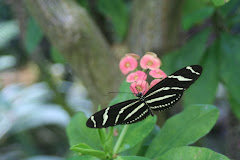
We expect to visit the Gorrie and Raney Museums, check out a butterfly garden and explore the old maritime antique warehouse. We never pass through the area; on even a one-night stop with out have the gourmet delight of Apalachicola Oysters accompanied by a glass or two of Sauvignon Blanc.
Three Catalina sailboats, members of G3CCC who are also members of the Pensacola Yacht Club embarked on a 2 week cruise to explore the bays, anchorages and interesting waterfront towns along the Gulf Coast of the eastern Florida panhandle. We met at Ft. McRee, just instead the P’cola Channel and headed out into the Gulf for a 21-hour afternoon-night sail. We sighted the entrance buoy into St. Joseph Bay about 7:15 AM. Eagle Harbor anchorage is inside the San Blas State Park, where Arkeoo (Connie & Wally Conway) and Sea Shell (Kay & John Sheehan) rafted up to Zephyrina (Helen & John Caffrey). The seabed at this spot is rather muddy, murky and sticky; so one anchor down gives the two other sailboats a reprieve from the slow weighing of the anchor with a wash down spray from the bow when departing the otherwise great anchorage.
The beach sands here collect a different variety of shells than at our Pensacola Beach. This is due to the configuration of Cape San Blas. She has an elbow out into the Gulf with her forearm stretching 15 miles NNW. This cape creates the inside of St. Joseph Bay whose shallows provide excellent scalloping and fishing. What glorious spot for exploring, holding a potluck dinner aboard and a much needed long night’s sleep. While relaxing we hosted a fellow sailor from a Panama City on his sailboat for a sun downer and learned of a great anchorage at Crooked Island, which we’d like to visit on our westerly sail home.
Across the bay is an excellent marina in the town of Port St. Joe. It has been a convenient and favorite stopping spot for us as we make a crossing of the Gulf to south Florida. Our folding bikes were assembled easily on the dock and the six of us toured the PSJ Nature Bike Way, stopped at the local museum to learn about the PJS and Apalachicola town rivalry of the 1830s and the subsequent yellow fever outbreak that devastated town’s population and it’s “up market” resort attractions for the wealthy from New England and Europe. We highly recommend the Sisters Café, the No Name Bookstore and “of course” Joe Momma’s Pizza.
The Plen Air Artists are in both Port St. Joe and Apalachicola this week, May 3 – 13. We saw their terrific Art Show last year, when we were returning from 6-month cruise to south Florida and the Keys. Yes, that was the trip on which we stopped posting in the blog at Venice. We were so busy enjoying the activities and visits with friends we made but a few brief entries directly on Facebook.
This post was written as we motored on the cross county canal and ICW using Lake Wimico and the Apalachicola River a waterway cut in the Impenetrable Swamp to Sipico Creek at St. George’s Bay. The Spanish explorer, Desoto is said to have lead his troops through this swamp. Just think of the snakes, bugs, 8’ tall saw grass, razor sharp palmetto bushes, Yaupon Holly, slash pine among the soggy underbrush. It’s amazing he made it to the Mississippi!
We expect to visit the Gorrie and Raney Museums, check out a butterfly garden and explore the old maritime antique warehouse. We never pass through the area; on even a one-night stop with out have the gourmet delight of Apalachicola Oysters accompanied by a glass or two of Sauvignon Blanc.
Saturday, January 15, 2011
Venice-Pelican Bay-Punta Gorda
 As mentioned in the previous post, we spent New Year’s weekend plugged in at the Venice Yacht Club allowing us to see our choice of Jan 1 football games while connected to dockside TV cable. We also made the acquaintance of Max, a well manners Poodle that enjoy dingy rides like our dachshund, Mac did.
Monday, the 3rd, we got underway before 10 AM when the dense morning fog started to lift, heading for several days in Pelican Bay off Cayo Costa State Park. NOAA (“no account”) weather said the fog would lift by 9:30, which it did, but only temporarily. By the time we were a mile off shore the fog set in again and we had visibility from 100 yards to a quarter mile for the next 4 hours. With 4 knots of wind behind us and a following sea with long 3 to 4 foot swells, Zephyrina wallowed a bit as we made 6.5 knots under engine power. Thanks to the radar we could keep tabs on the few boats crazy enough to be out in the fog. Luckily at 2:15 PM the fog lifted just as we were nearing the Boca Grande Channel, giving us a half-mile visibility at a critical spot. Once in the channel, heading for the pass, the fog shrouded us again. With radar indicating several small fishing boats along the edge of the channel, our fog signal alerted them to our approaching presence. As we drew closer to the Boca Grande Lighthouse the fog lifted again and disappeared as we entered Charlotte Harbor. Unfortunately, our Pelican Bay anchorage less than a half-mile away, was invisible. This is one of the trickier approaches and requires perfect sights of water depth and shore landmarks. A decision was made to make for the waters near Gasparilla Island, which was in light misty sunshine. We dropped anchor at 3:10 PM just off a long row of Condos and large homes in 15-foot water. Thirty minutes later the land around Pelican Bay emerged from the fog so we raised anchor and headed for our planned destination.
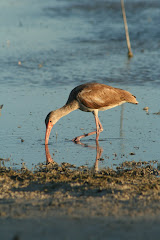
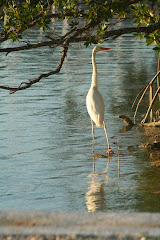
The next 2 days were the nicest weather-wise sunny, warm and calm. We took the dingy to the park dock and walked across the island to the Gulf beach and then walked the shoreline for another mile or so. It was fun to see seashells occupied by hermit crabs. On our return to the boat we took the dingy along the mangrove edges of the bayside, watching the herons and cormorants. On day 2, we motored the dingy over to the Pelican Bay entrance along the backside of the shoals to go ashore to explore and fish in the lagoons. With artificial plastic “Gulp” bait John caught a “too small to keep” flounder, a lizardfish and a strange looking thing we’ve now identified as an “Oyster Toad Fish”. We had beefsteaks on the grill for dinner.
The evening weather report promised a gusty rainstorm for the next morning so we secured the dingy to it’s davits and hoisted the motor. This time NOAA was right. We tracked the front’s movement, the rainstorm and lightning with Sirius Weather on the chart plotter. After a phone call to the Isles Yacht Club and receiving an OK to come in a day early, we waited for the hard bands of rain to stop and the tide to rise to give us enough water to motor out of Pelican Bay. We arrived to tied up on the transient dock at 4:25 PM.
A new battery, installed in Tampa and bought from West Marine didn’t seem to be performing appropriately during our 3-night anchorage. A call to the Punta Gorda West Marine produced a manager who offered to bring his “digital load tester” to the boat after work. He confirmed that the “new” battery was only 85% good. Our other 3 ½ year old AGM battery was still perfect. We also received the startling news that the new battery was a conventional lead-acid type contrary to what was asked for and it was made in March 09, much too old to even be in anybodies stock. The next afternoon the manager and a helper delivered a new AGM battery. Personal service and quick resolution to the problem was much appreciated. We’re sure there was communication between the Punta Gorda and Tampa stores on this snafu.
Our plan to return to Pine Island Sound for several more days of anchoring before moving Zephyrina into a slip in Ft. Myers was altered when another winter front was forecasted to strong north winds and cold nighttime temperatures. Sailboats have little insulation and when you are anchored out without a generator there is no heat, and by morning the inside temperatures are only a little higher than outside. Following our decision to stay several more days, we discovered the Isles Yacht Club could provide Zephyrina a slip for the next month. So here she’ll stay. With friendly hospitable members welcoming us and assisting us with land-based needs plus a watchful helpful professional staff, we couldn’t asked for more. The Isle YC has a reputation for all of the above and is enjoyed by many sailors’ whose home Yacht Club belongs to the Florida Council of Yacht Clubs (FCYC).
Next Friday we’re off to enjoy a week on the beach at Sanibel with Helen’s sister Dru and her husband, Bill. After that we’ll drive home to Gulf Breeze to see friends, check on the house and make a flying trip north to visit the matriarch of the Caffrey family, Virginia. We’ll return to the Isles YC in early March to continue our 2011 sailing excursion.
Monday, January 3, 2011
A Favorite Stop Over - Venice, Florida
 |
| Shore Transportation - Boat Bikes |
Tuesday, December 28, 2010
December 15-28 On Bay and Land
 Finally, on December 15th, a forecasted warm morning, mid 50s, - we took advantage of it and motor sailed on light winds under the Sunshine Skyway Bridge to the Manatee River at the southeast end of Tampa Bay. Just a few miles up the river is the Bradenton Yacht Club @ Snead Island, where Keri and her good friend, Lisa, joined us. For their visit we planned to bike, sail and enjoy our time together. Both Keri and Lisa are excellent cooks and we were the beneficiaries of their talents – yummy dinners they brought with them. On Thursday there was little wind with temperatures around 70, perfect for the several mile bike ride to explore Emerson Point Preserve. There are several ancient Indian Shell Mounds that afford great views of the surround waters. Dense Mangroves, Live Oak, Magnolia and Gumbo Limbo trees provide nesting areas for the Egrets, Herons, Ibises and many non-aquatic birds like the Palm Warbler and the Blue-Gray Gnatcatcher. After this delight sojourn we decided to take a short car ride to St. Armand’s Key to see the shops in all their holiday decorations. We did not leave empty handed – a Christmas gift or two. Friday’s planned sail had to be postponed as another cold front came roaring through bringing blustery 20-25 knot winds. After much discussion on Christmas plans, it was decided that we could not cook the traditional “Standing Rib Roast” in our galley oven. Thus we should trek to Orlando and enjoy a fresh smelling spruce Christmas tree and a feast with all the trimmings. Their short visit ended and the ladies returned to Orlando. We braved the cold winds for two more nights at the Yacht Club connected to shore power and warmed by Zephyrina’s heater. On Monday we moved a couple miles down the Manatee River and anchored off Emerson Point, again enjoying the calmer warmer weather. To accomplish the logistics getting to Orlando for the holiday we sailed 25 miles north (burr) to the Davis Island Yacht Club (Tampa) to leave Zephyrina. After a short taxi ride to the Amtrak Station and then a 2-½ hour train ride we were in Winter Park (Orlando). Santa added a few items under the decorated tree and Christmas dinner was Keri’s usual culinary treat. On our return what do you think was approaching – another cold front. We’ve stayed an extra two days to wait it out but tomorrow it will be warm enough to point Zephyrina south again. Longboat Key (Jewfish) anchorage will be our first stop, then out in the Gulf and to Venice on New Year’s Eve.
Thursday, December 16, 2010
Events & Weather - St. Petersburg
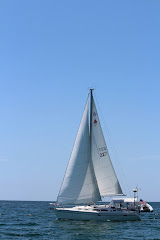
 The first of what was to be three strong cold fronts chased us into the St. Petersburg Yacht Club three days earlier than planned, two weeks ago. This gave us the chance to have Lippincott Marine Canvas come to remove our original bimini in order to make a new one at their shop just a mile away. In five days the new one was up and our enclosure reattached. It looks great and is keeping the cockpit dry and warm, as the next two cold fronts have come through, preceded by rain and bringing temperatures in the low 40s on several nights. Three days ago, it was 71 yesterday 52 with winds 10-30 knots. Highlights of St. Petersburg: A terrific Saturday Farmers Market, just 2 blocks away. The fresh produce (Florida Strawberries are in) and diverse ethnic food vendors along with French pastries and fresh squeezed orange juice are treats. The restaurant selection is also varied and within walking distance of the Yacht Basin. Our favorites are “Ceviche” with wonderful tapas, “Moon Under Water” featuring entrees from former British colonies along with a great beer selection and “The Lucky Dill”, a New York style deli, offering both a large breakfast and lunch menu. This illustrates the saying “Getting there is fun, but being there is even better”! Now for the focus of our two-week stay. The St. Petersburg Boat Show was Dec 2-5. We attended several seminars, explored tents full of vendor stalls and it was fun to see the new sailboat models. Fortunately for our pocketbook none appealed to us more than our “Zephyrina”. Then on Dec 10-12 Helen’s good friend, Jan from Pennsylvania, came to town. Her granddaughter was getting married near by. So we did what we love to do, and entertained her with a sail in Tampa Bay. As is often the case, the forecasted light winds quickly turned to 12-18 knots and we “streaked” east across the bay at 6 to 7 knots for over an hour. When we came about to return, thinking we’d sail back on the reciprocal we discovered that Zephyrus, the Greek God of the West Wind had spotted his wayward daughter, Zephyrina, and aimed his wind right on her bow. This change of wind direction now had our sailing angle at 90 degrees off from a straight shot to St. Petersburg and towards the Sunshine Skyway Bridge. With winds gusting to over 20 knots out of the west we tried a few short tacks, then furled the sails and motored back. The high winds and chill of the third cold front are subsiding today and tomorrow, Dec 15; we plan to motor sail over to Snead Island to meet Keri and Lisa for a 4-day visit to include sailing in the Manatee River and biking to Emerson Point.
Subscribe to:
Posts (Atom)